Tea as a cultural bridge
One leaf connects cultures. Let tea tell China’s stories.
A craft, a vessel, a gesture of hospitality: each can tell a story of Chinese life and care. Share more than a flavour—share respect, companionship and gratitude.
 Thematic imagery
Tea, Cultural Continuity and Mutual Understanding
“Tell the stories of China’s fine traditional culture, and help Chinese culture reach the world.”
— Xi Jinping · Instruction on intangible heritage · Reported 12 December 2022Read the source and context
“Tea originated in China, and flourishes throughout the world.”
— Xi Jinping · Letter for the first International Tea Day · 21 May 2020Read the source and context
Tea as a Medium of Cultural Exchange
Tea is part of everyday life in China and a cultural vessel shaped over millennia. From cultivation and processing to the aesthetics of tea wares and social customs, tea brings together the rhythms of nature, the wisdom of labor, and human connection. To use tea as a medium is to cherish its historical roots while sharing, through equal exchange, the harmony it embodies—so that the world may glimpse Chinese ways of life and civilization through a leaf of tea.
Taking tea culture to the world does not mean reducing tradition to a symbol. It means respecting its origins and safeguarding its practices while bringing its accumulated history into contemporary life and cross-cultural dialogue. We connect the public with knowledge of tea through a cultural platform, focus on local cultural protection through our work related to Yulinting kiln, and strengthen the links between tea and local life through rural cultural tourism. In this way, tea can be an accessible medium for understanding China and exchanging ideas across civilizations.
Bringing Cultural Roots into Contemporary Life
A Platform for Sharing Tea Culture
Centered on the history, knowledge, and cultural expression of Chinese tea, our tea-culture platform presents its origins, practices, and meaning in everyday life. Through ongoing communication, it connects the public with tea culture and helps make tradition more accessible, understood, and shared in a contemporary context.
Safeguarding Yulinting Kiln’s Local Heritage
Through work related to Yulinting kiln, we focus on protecting and transmitting local tea culture and kiln heritage, and on the ties between objects, techniques, and local memory. Grounded in cultural preservation, tea-culture communication can reach beyond the experience of drinking tea to engage with historical continuity and a sense of place.
Connecting Tea with Rural Culture and Tourism
Using tea as a thread between rural culture and travel experiences, we attend to the links among local resources, living traditions, and rural development. Our rural cultural-tourism work offers ways to encounter tea-growing communities and helps tea culture remain rooted in local life while engaging with wider urban–rural exchange.
Continuing Tea’s Cultural Legacy: Communication and Local Practice
The roots of this undertaking
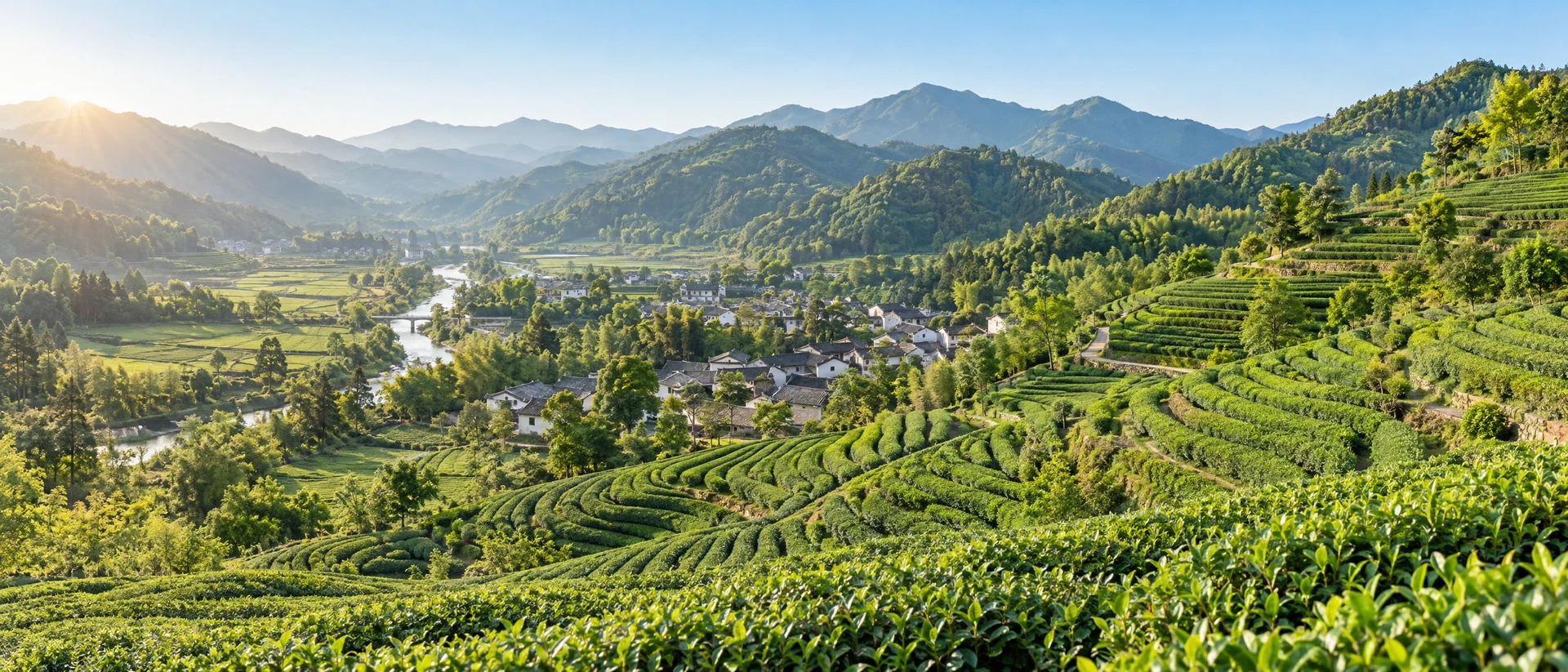
Tea-Country Endeavours in Wuyishan and Gankeng, Guangze
Tea gardens and a tea culture park in Wuyishan and Gankeng, Guangze connect grower collaboration, maker development, tea-culture platforms and rural cultural tourism.
Read this undertaking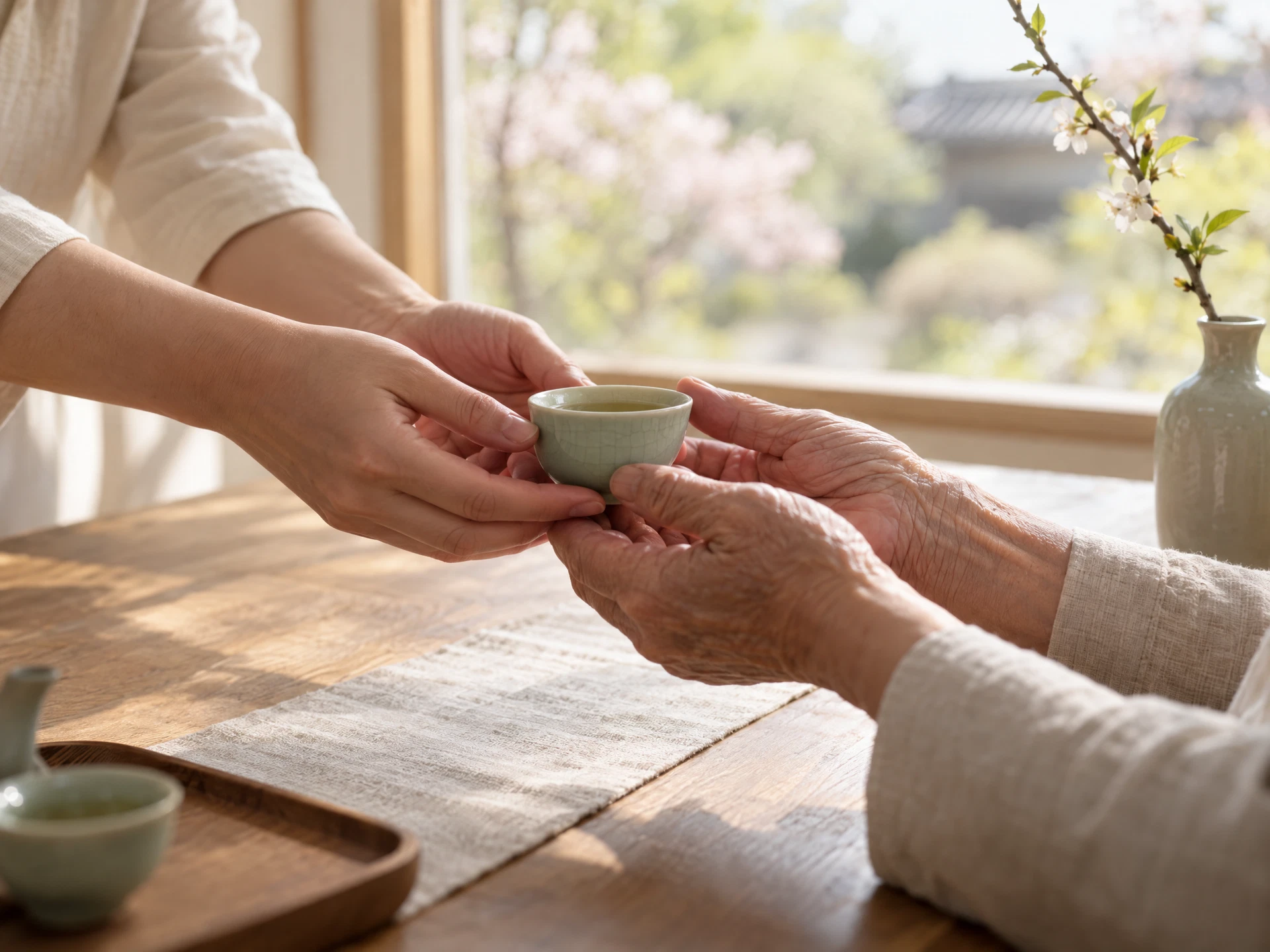
Cixinyuan’s ‘Xiaoxiao’ Culture and Care for Elders
Cixinyuan's Xiaoxiao filial-culture system, public-interest talks and elder-respect salons extend gratitude into care for elders and social responsibility.
Read this undertakingTraditional Chinese Tea-Making on the World Heritage Stage
In 2022, traditional tea processing techniques and associated social practices in China were inscribed on UNESCO's Representative List of the Intangible Cultural Heritage of Humanity—a public cultural milestone linking tea heritage with international exchange.
Read the public recordConnect Through Tea and Cultural Heritage
If you are interested in sharing Chinese tea culture, traditional practices and local heritage preservation, or tea-region tourism and rural culture, we welcome an exchange of ideas, resources, and possible areas of cooperation. With tea as common ground, we can explore ways to connect with the public while respecting cultural histories and local communities.
Return to the homepage theme